Working with AI
Prompting, memory, and getting real work out of the model, including knowing when not to trust it.
Showing 1–20 of 113 posts
- One Prompt Well
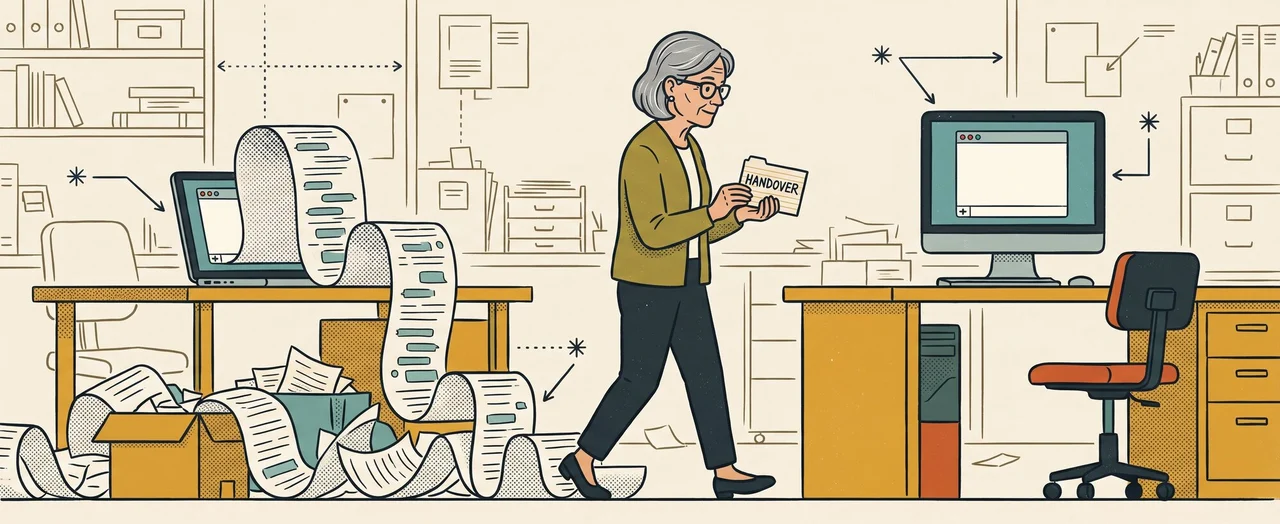
Move a long ChatGPT or Claude chat to a new one
When a ChatGPT or Claude conversation gets too long, ask it for a short handover and paste that into a new chat, so the new one starts with only what it needs.
- One Prompt Well
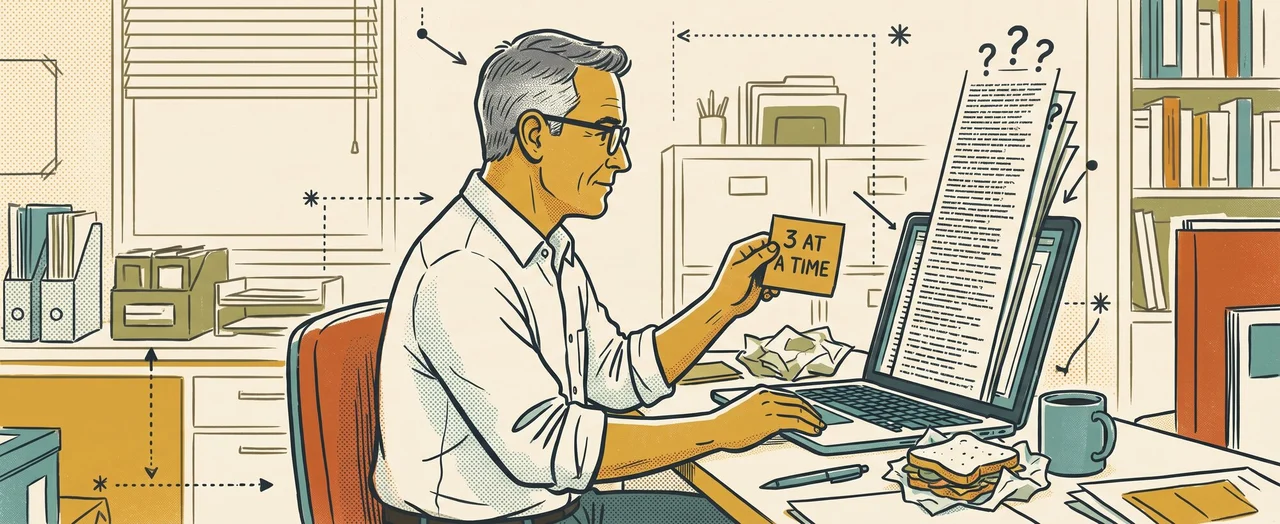
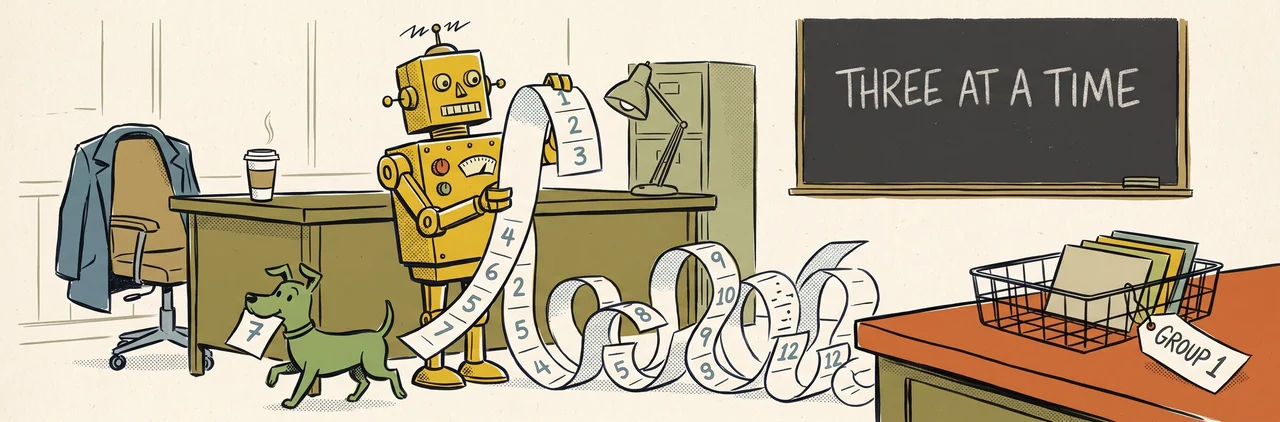
Paste this when ChatGPT or Claude asks too many questions
When ChatGPT or Claude answers with a pile of questions, paste this reply to get them in small groups by topic, and let it look up what it can find itself.
-
Get Claude, ChatGPT or Gemini to explain it as a page
Claude artifacts, Gemini Canvas and ChatGPT can turn an answer you can't follow into a page you click through, with pictures for each step and a quiz.
-
Scheduled tasks in Claude, ChatGPT, Gemini and Copilot for a brag doc
Use a scheduled task in Claude, ChatGPT, Gemini or Copilot to list your week from your sent email and calendar, ready to paste into your brag doc.
- One Prompt Well
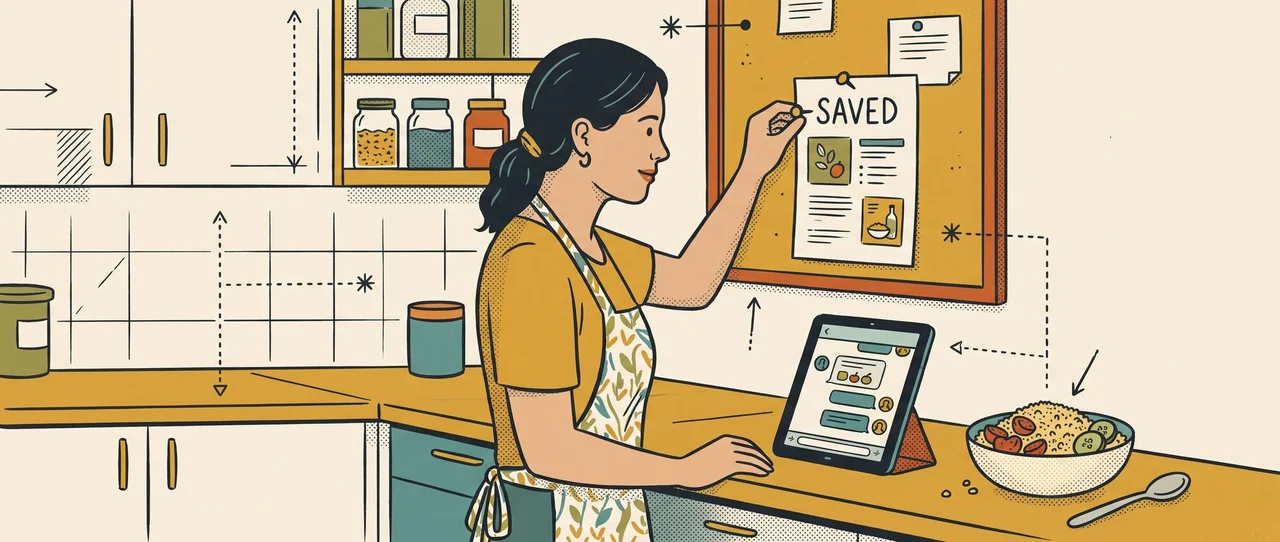
Save a Gemini answer to Google Docs straight from the chat
When Gemini gets something right, like a recipe changed to fit the ingredients you have, ask it in the chat to save the whole thing to a new Google Doc.
-
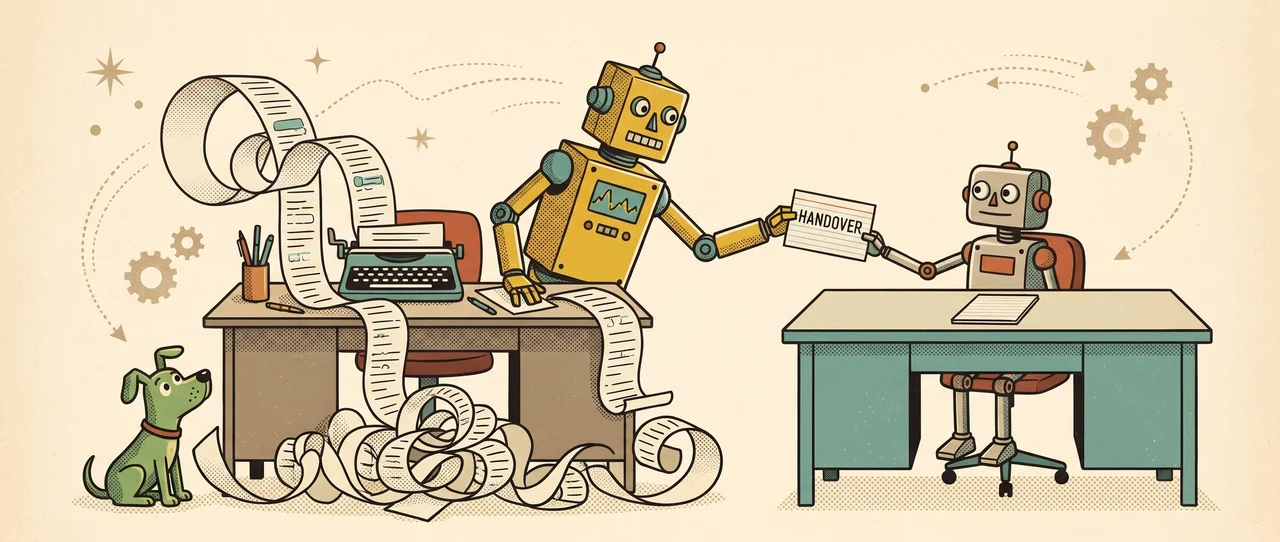
Hand AI work to a new chat or teammate with a short handover
Ask your AI for a handover in one format, keep that format in a Claude or ChatGPT project, and share daily logs so a new chat or a teammate's AI can carry on.
-
Custom instructions for when your AI asks too many questions
Paste-in lines for ChatGPT and Claude that make your AI ask in groups of three or fewer, each with a line on what it's about, so you can answer after a break.
-
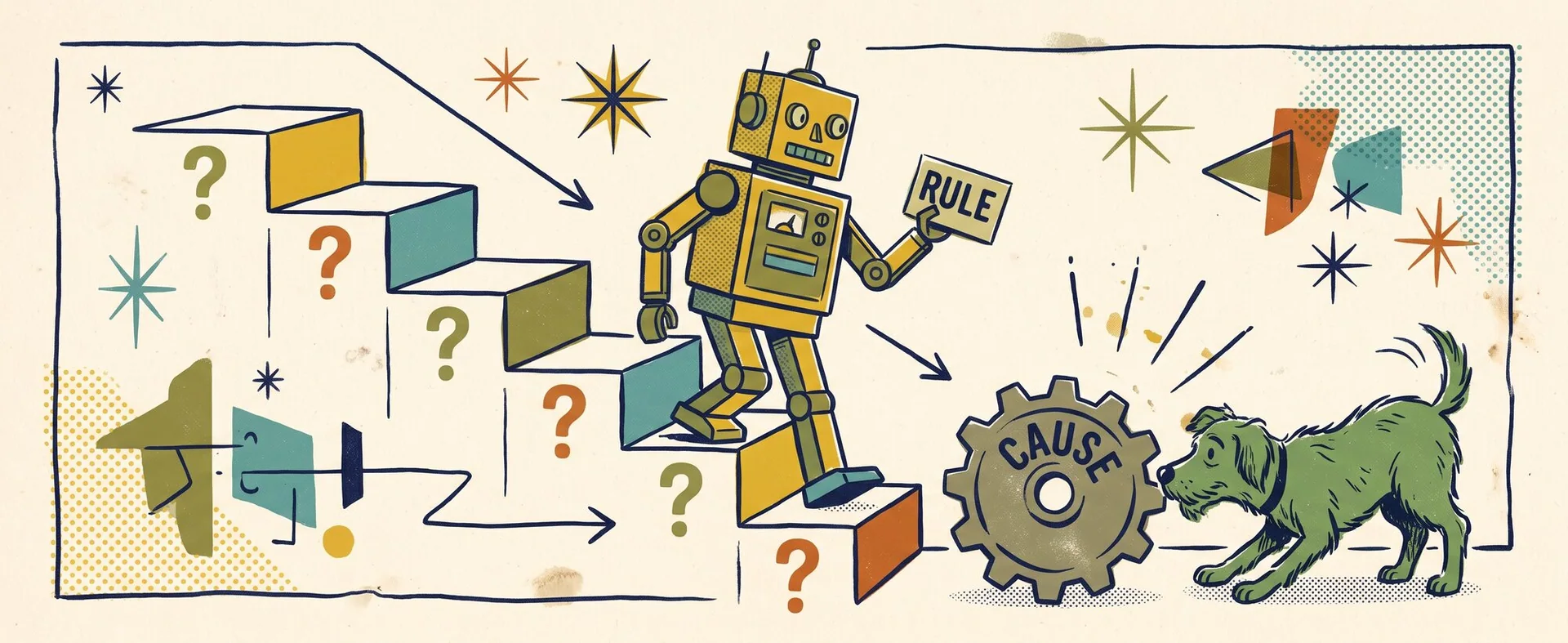
Five whys: stop your AI repeating the same mistake
A post-mortem prompt for the end of a bad AI chat: it asks why five times and gives you one rule to check before you paste it into your AI's instructions.
-
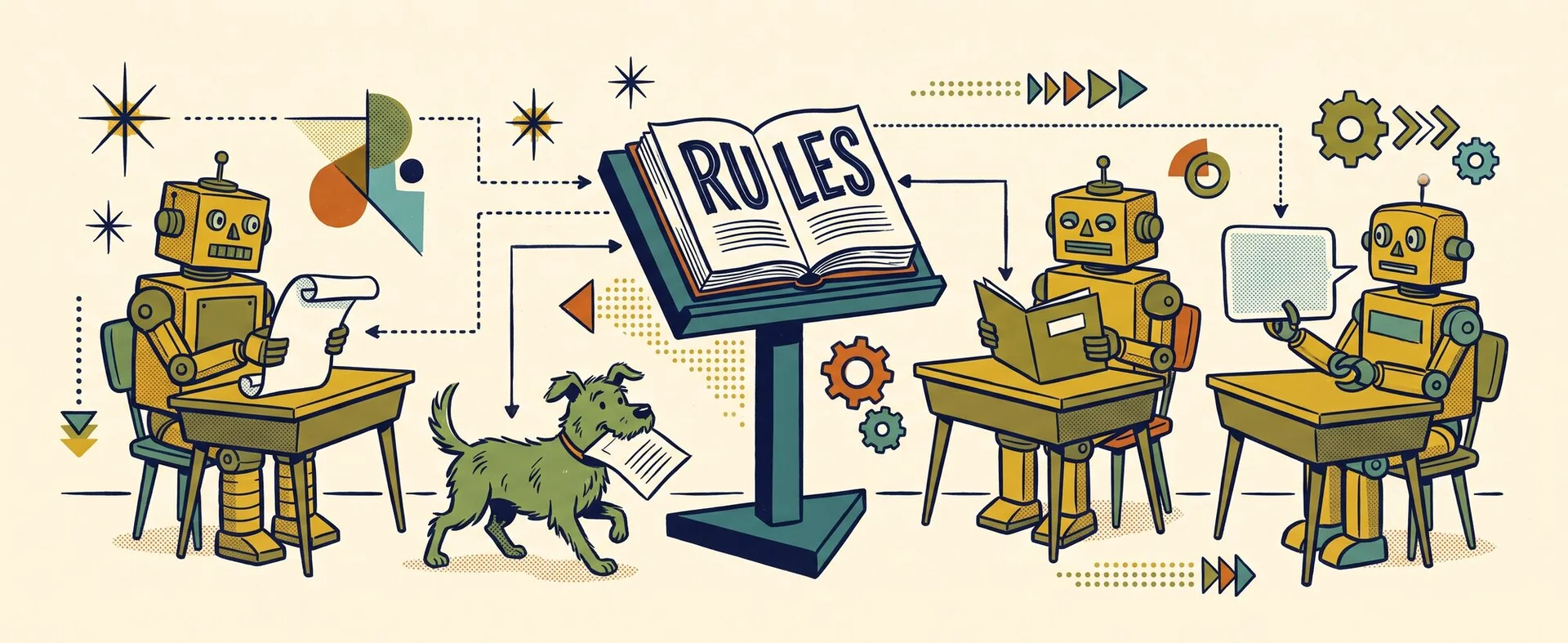
Shared project instructions: one rulebook for your team's AI
Shared project instructions keep your team's ways of working and house rules in one document every AI reads: a Claude Project, ChatGPT project or Gemini skill.
-
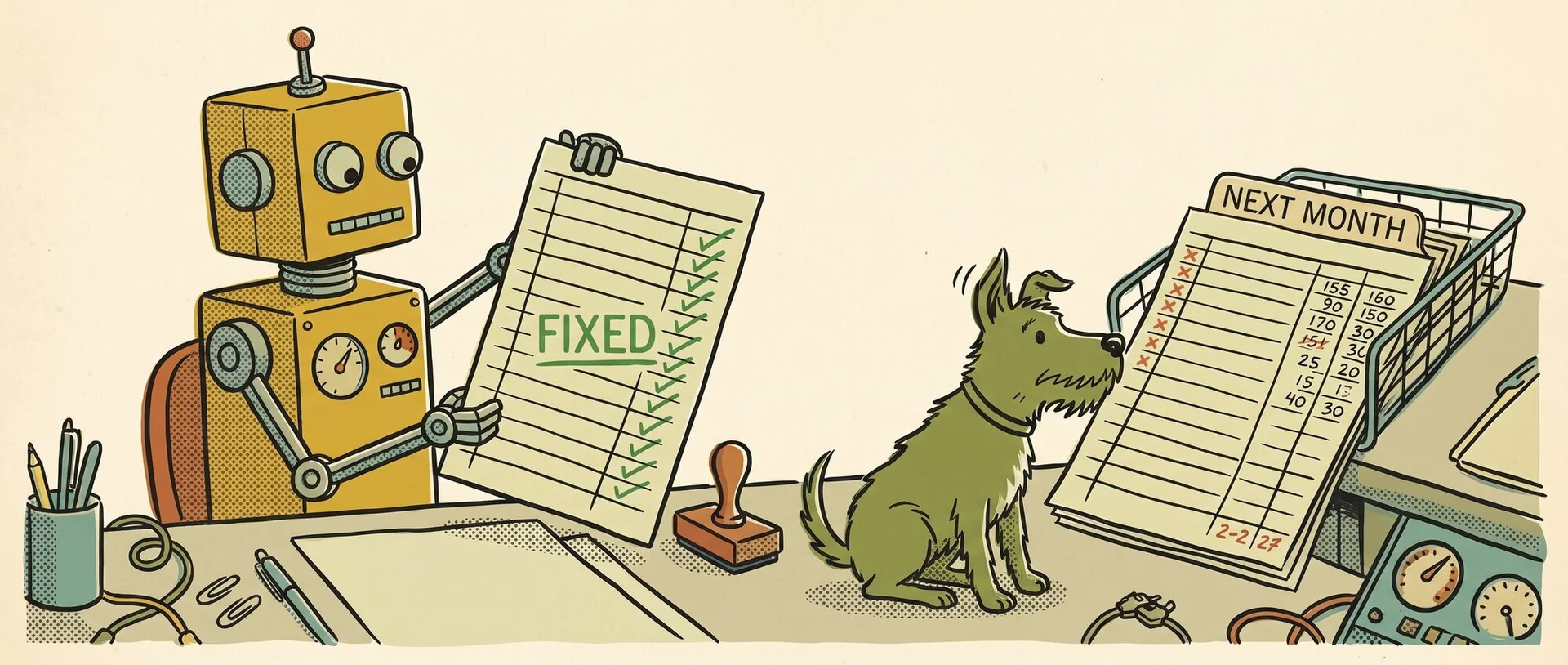
What to do when Claude says it's fixed, but it isn't
A new study shows why an AI's fix can match the examples it was checked on and still fail on new ones, and how to test a fix yourself before you rely on it.
-
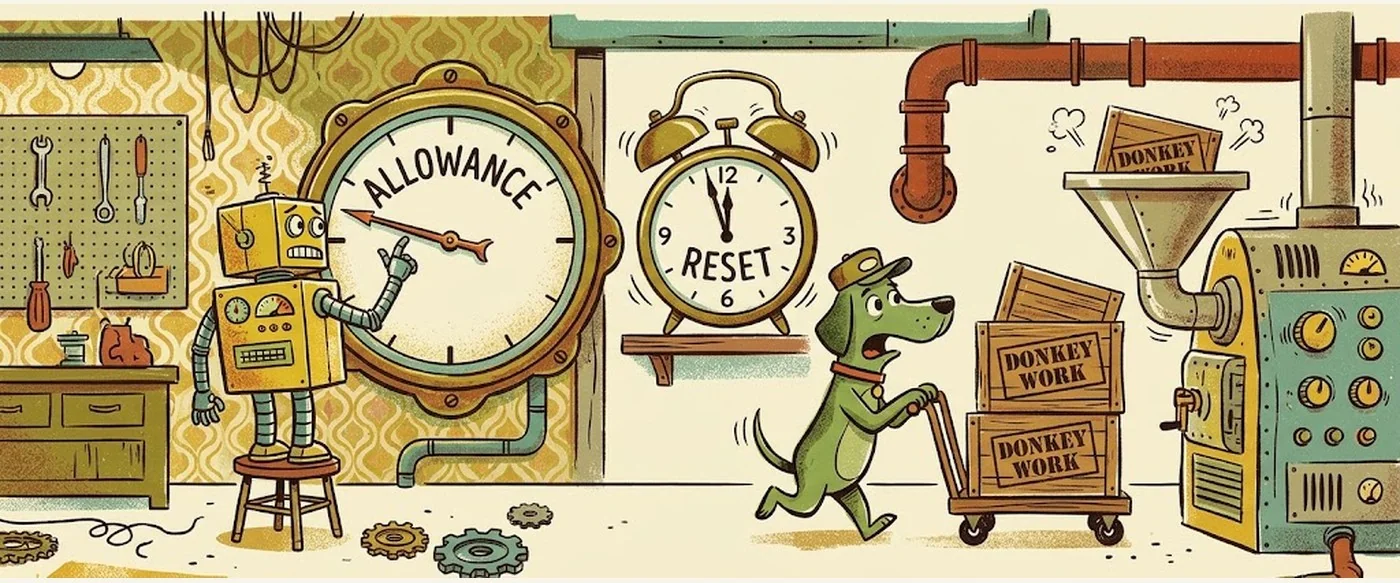
Use your Claude, Codex and Cursor usage limits before they reset
Each plan's allowance resets on its own schedule. Keep a list of donkey work for when you have plenty left, and save a limit reset for when you run short.
-
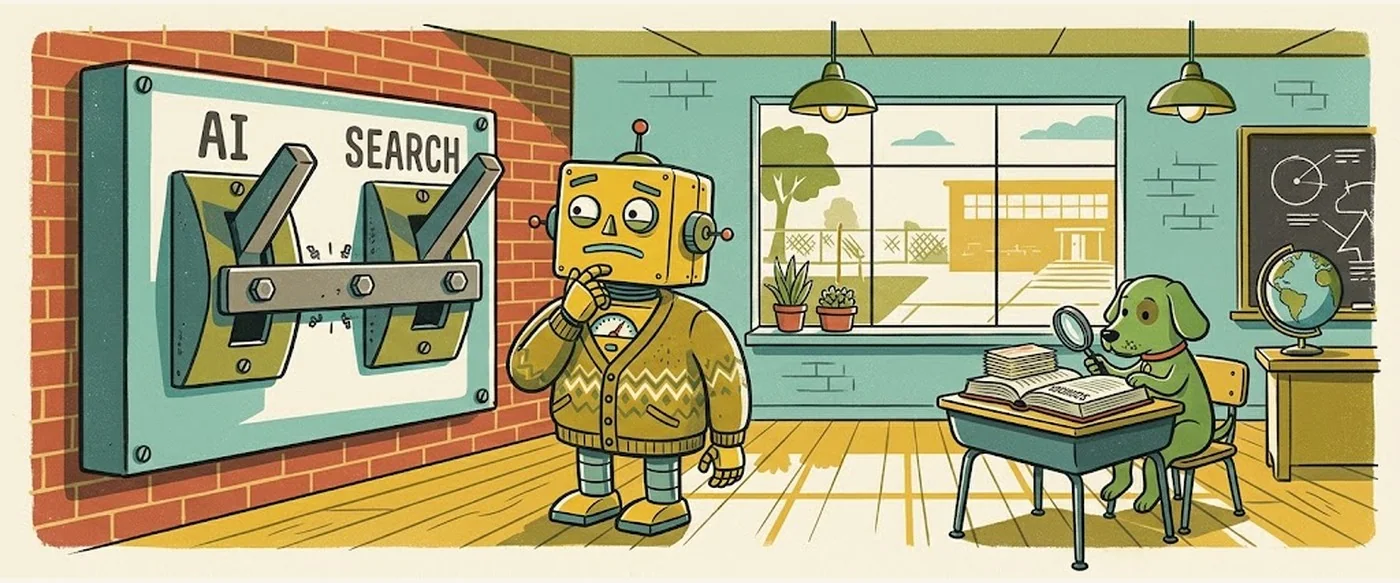
Schools can't turn off Google's AI Overviews without losing Search
Schools can't switch off Google's AI Overviews for students without switching off Search. Students still need to learn to check sources: who teaches them?
-
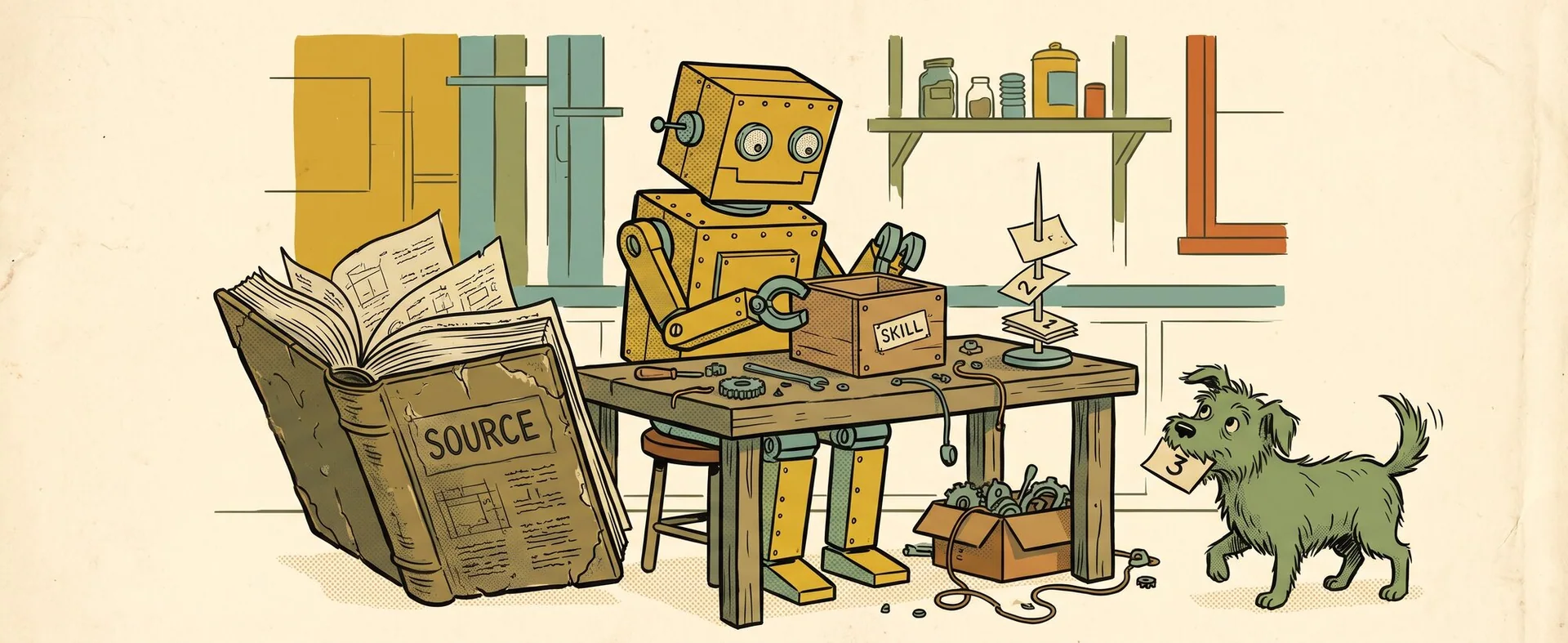
Create an AI skill from frameworks like the Eisenhower matrix
Start from a framework that hasn't changed in decades, like the Eisenhower matrix. Give the AI its Wikipedia link, then answer its questions one at a time.
-
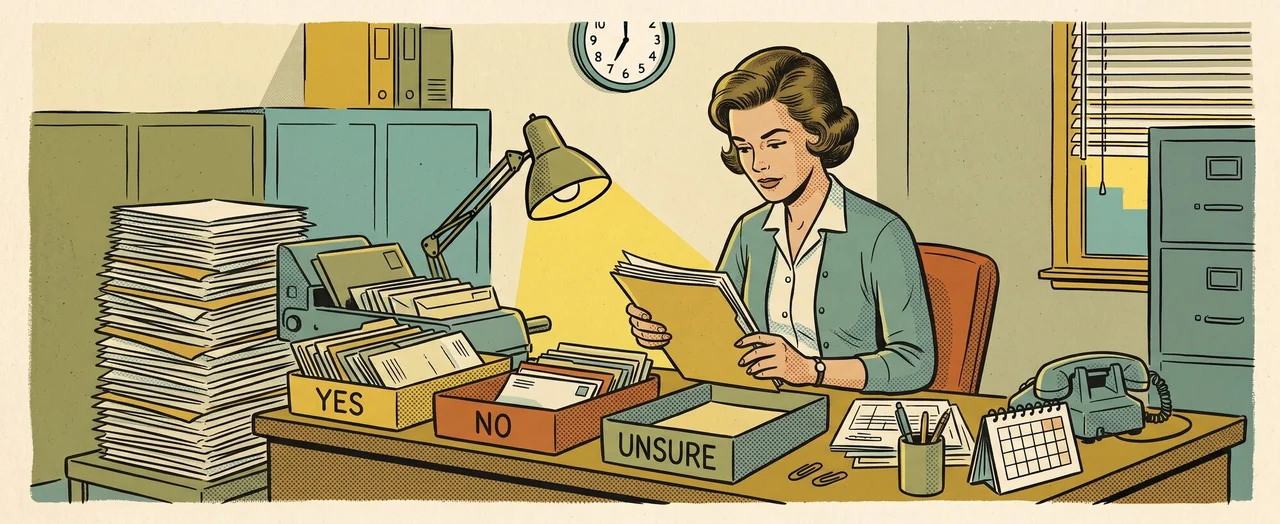
Did you or did you not?
Decision models are getting cheaper, so more people will be handed one. They pick from allowed answers but still give probabilities and can change between runs, so send the unsure cases to a person.
-
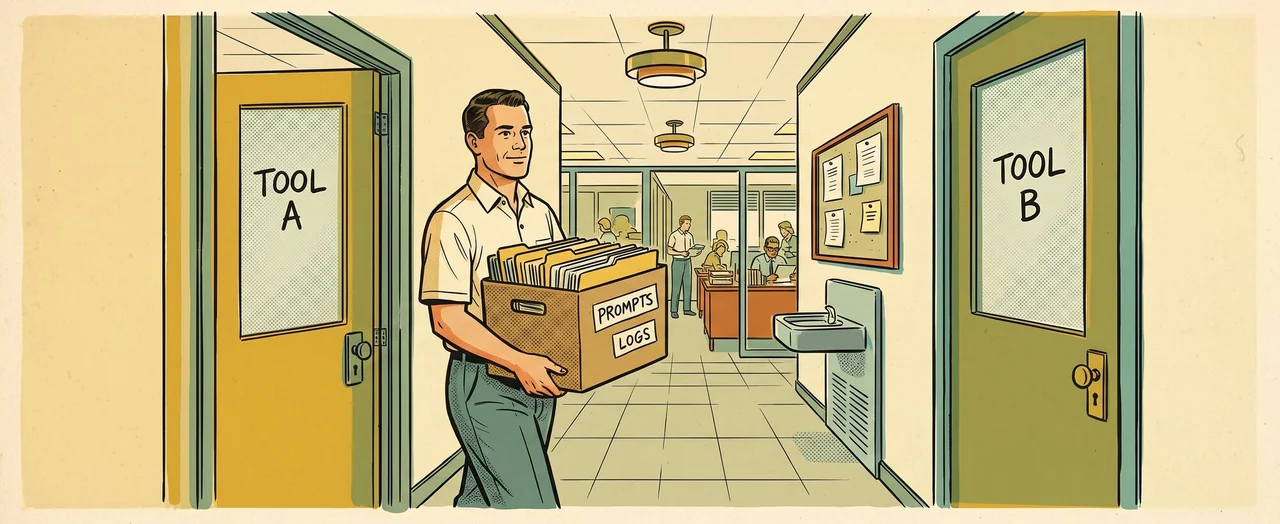
Loyal to your work, not your model
Google is turning Gems into skills. The AI tools you rely on will keep changing, so keep your prompts, skills, logs and chat summaries outside the chat, where you own them.
-
Ask your AI to save its work as files
I've kept a daily log in a file since the early days of using models, so I can switch models or start a new chat and pick up where I was. Ask for your work as files, and keep them in named folders.
-
Plan big, do small
A big model should plan the work and find the tools, libraries and free databases that already exist. Smaller models, or programs on your own computer, do what I like to call the donkey work.
-
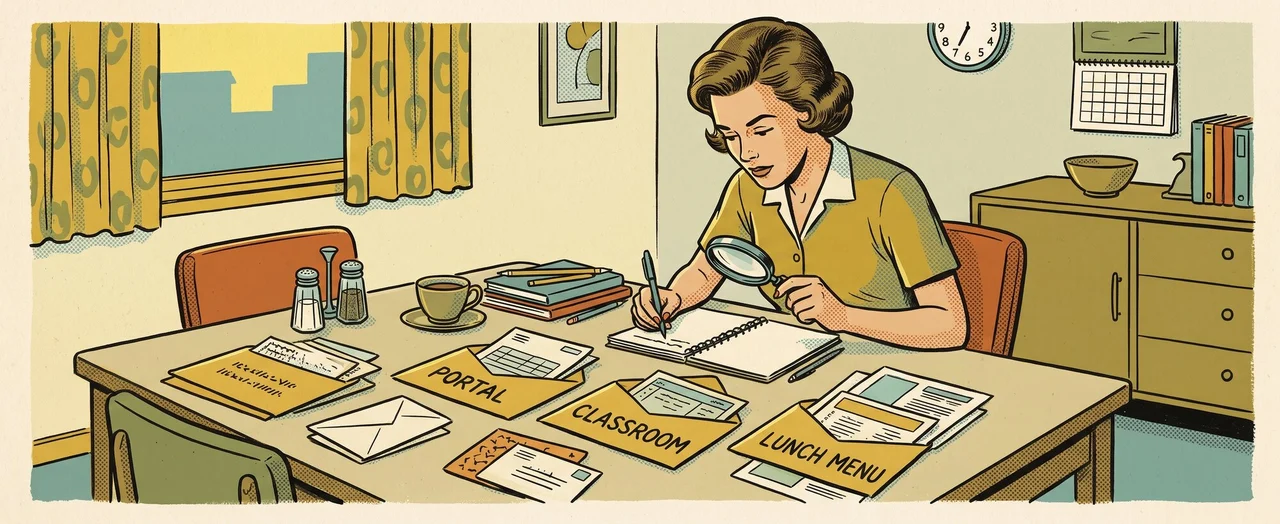
School family knowledge base, part 2
Part 2 of a build log about a school family knowledge base: what information each of the eight sources holds, and the format it arrives in.
-
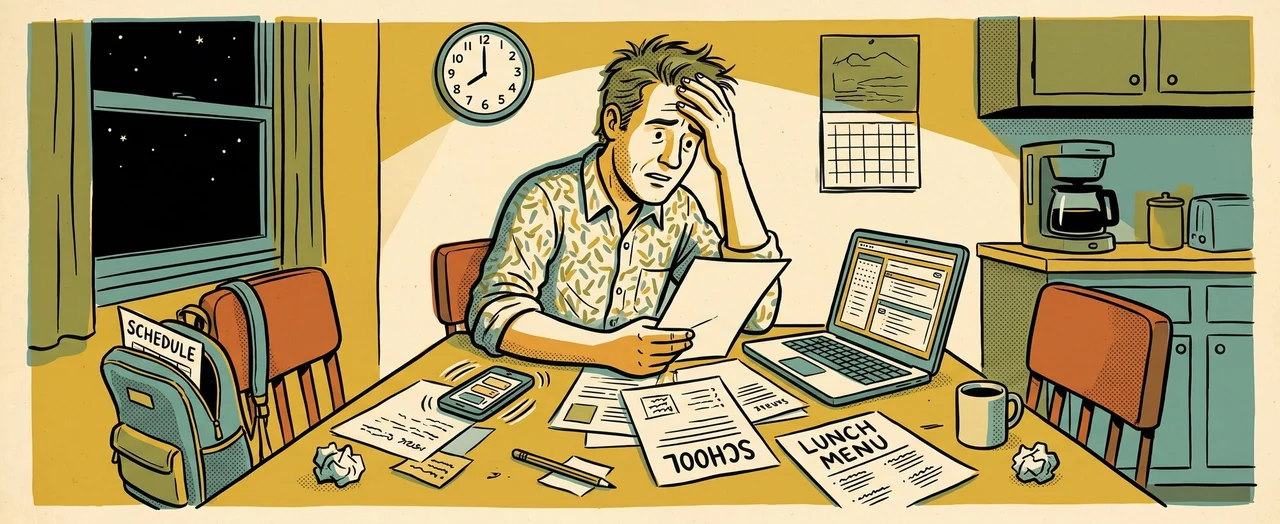
School family knowledge base, part 1
Schools send us information in eight places. That's a lot of channels for parents to coordinate and understand. Part 1 of a build log: the main issue, and how the tasks have to be broken down.
-
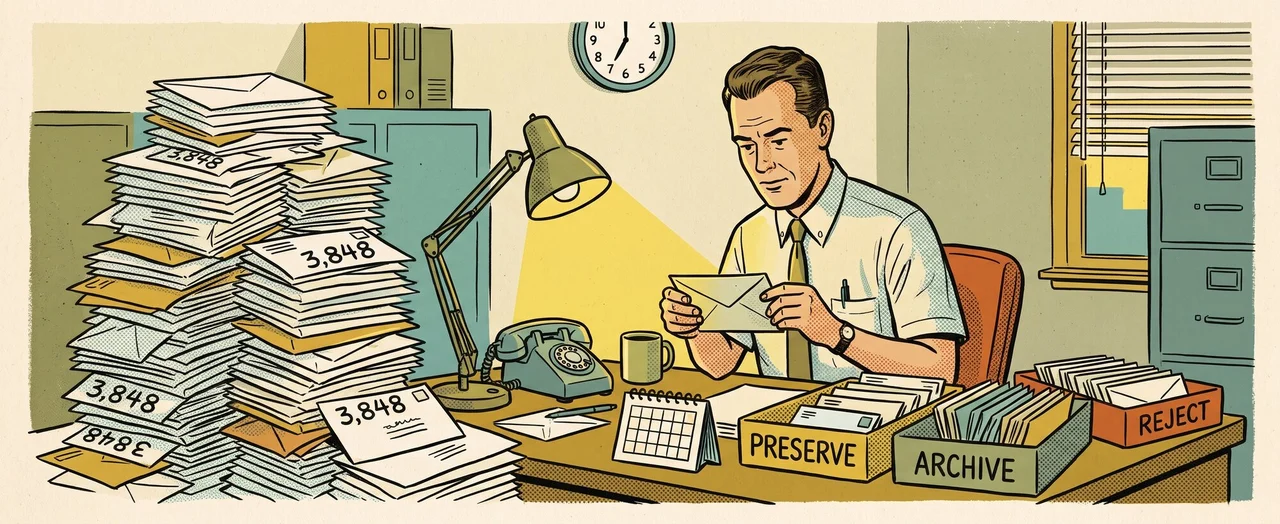
The 3,848-Message Sieve
What It Takes to Let an Agent Clean Your Inbox