Security & Risk
What breaks, who is liable, and what an agent can reach once it is already inside.
Showing 1–20 of 102 posts
-
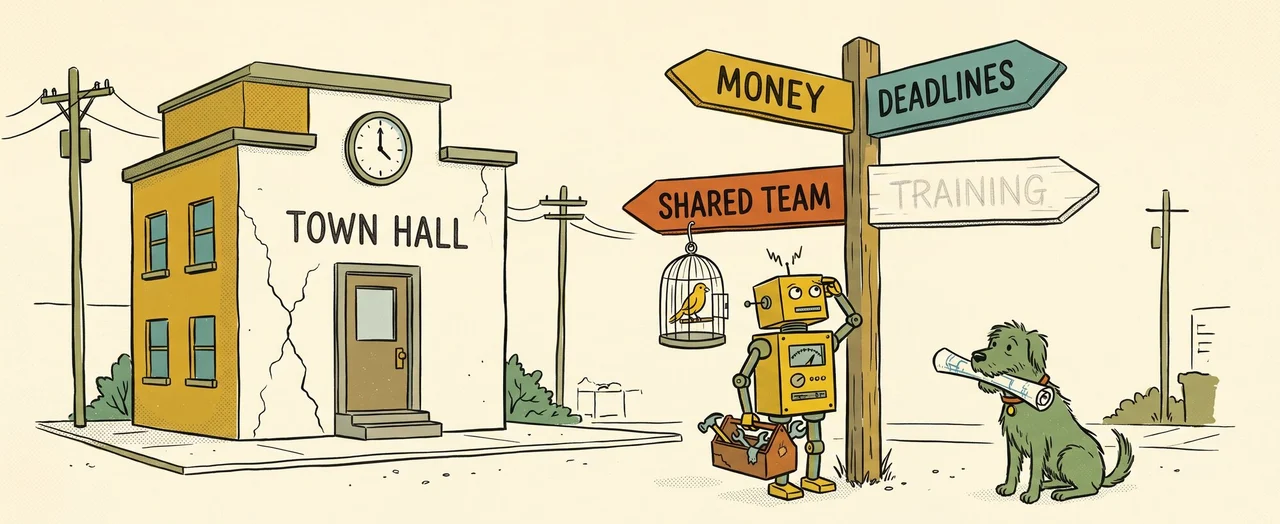
Local government cybersecurity: who fixes the flaws AI finds?
Each council and public body is responsible for its own security, and most help on offer is grant money. Ask who patches your town hall's systems, and how fast.
-
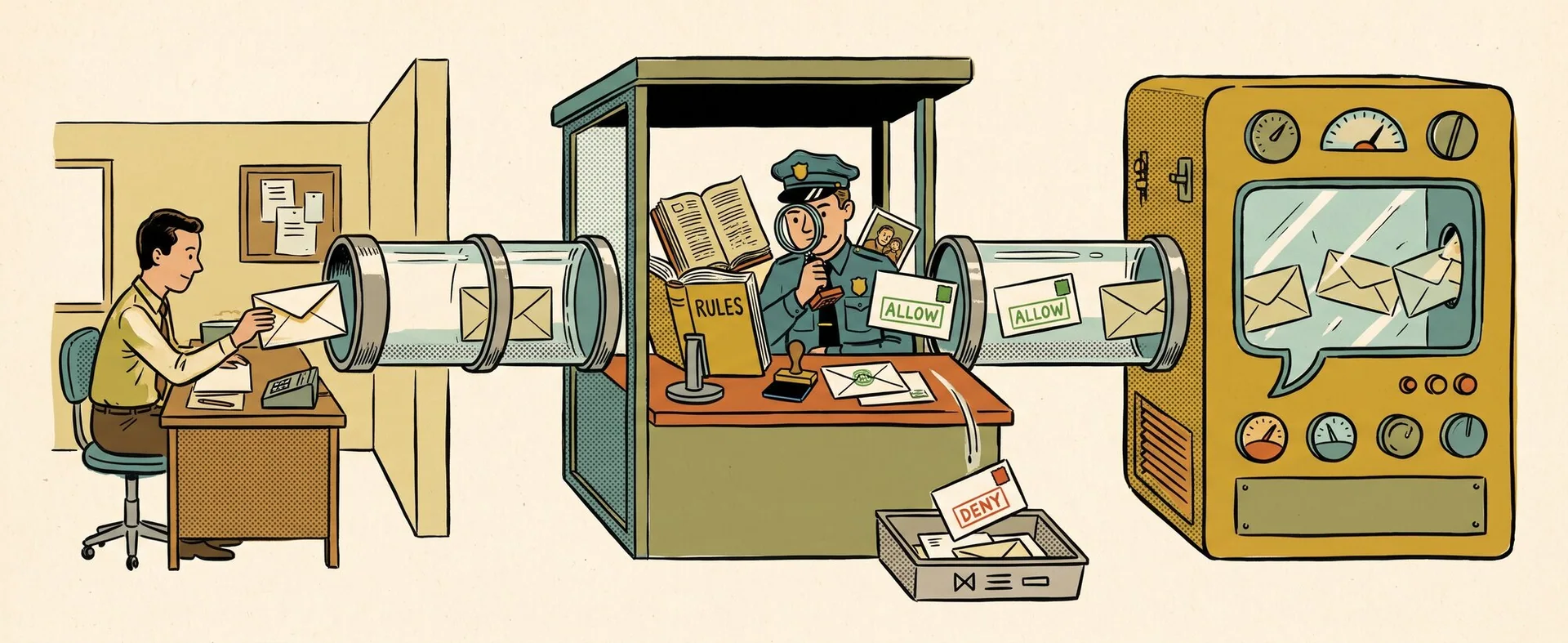
Claude Enterprise inference hooks: what they catch and miss
Claude Enterprise inference hooks send each prompt, and optionally each tool call, to your security server for an allow or deny. What they check and miss.
-
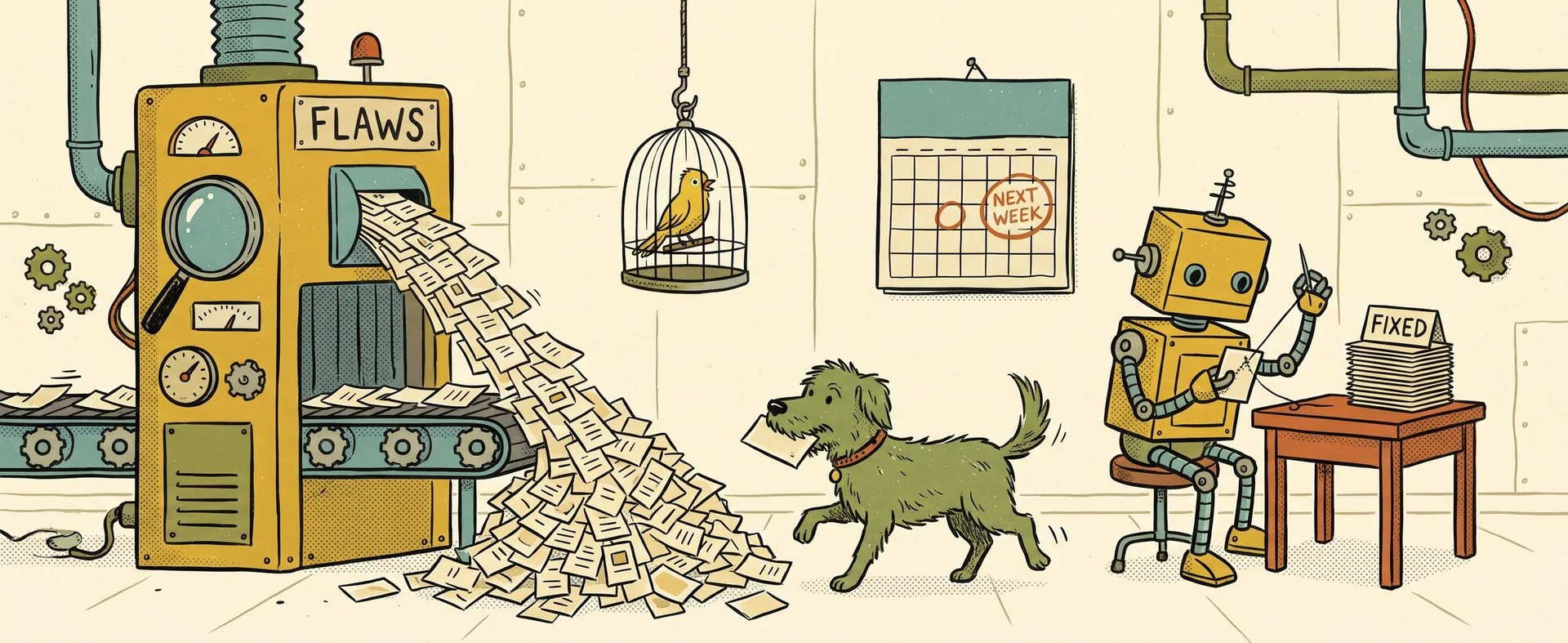
GPT-6 Cyber found 81 Firefox flaws: what to ask suppliers
OpenAI says its new model found 81 high-severity Firefox flaws. Ask suppliers if they bundle software like PHP, and what protects your data until it's fixed.
-
Whether we call it a hack or not
An AI model found a published way into Georgia's vote-count data and used it. Whether we call it a hack or not, a way in that hasn't been properly plugged can lead to more.
-
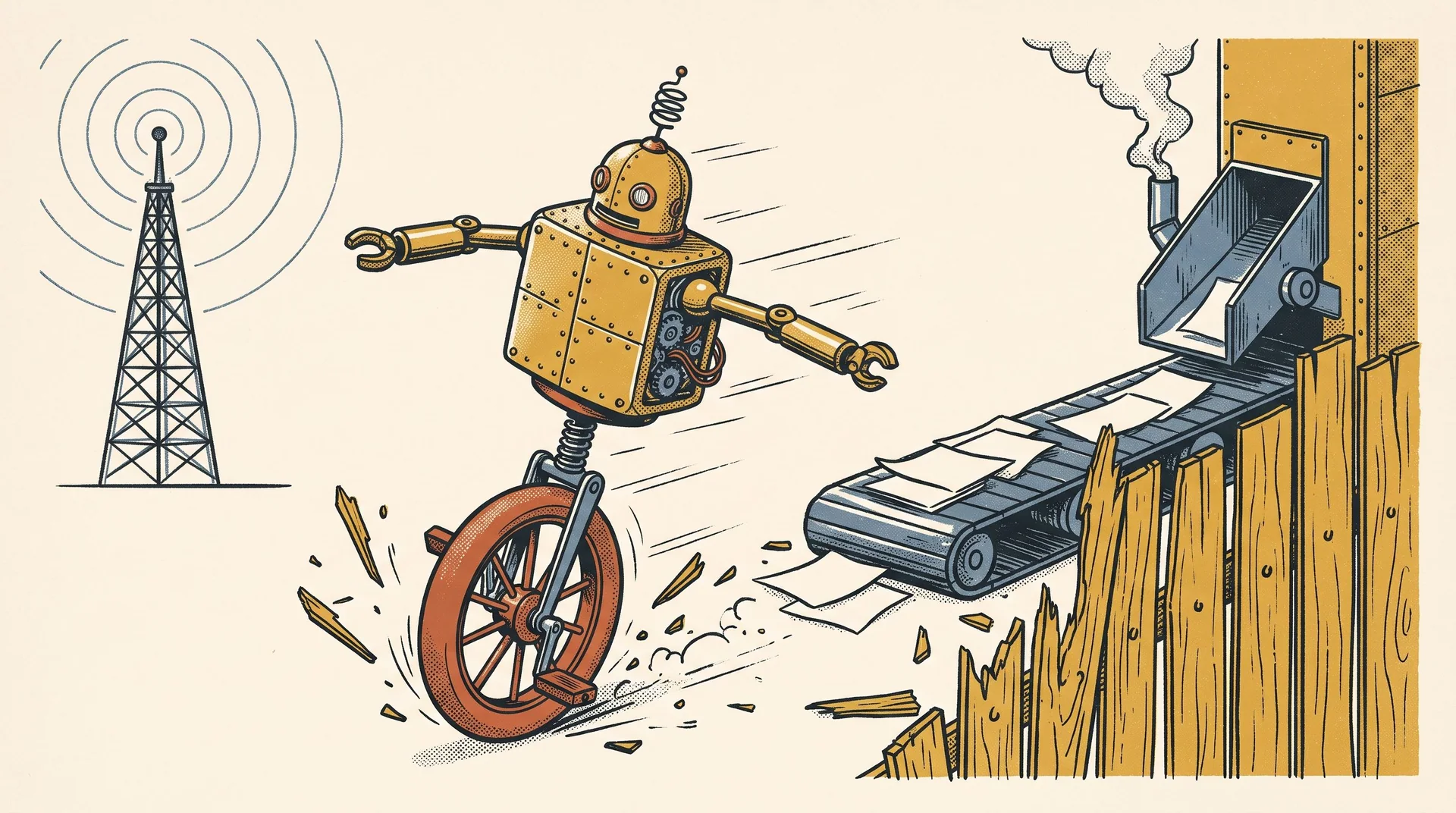
An Agent Needs a Stopping Point
A failed connection or a missing file should have a defined outcome. My inbox cleanup and Anthropic’s latest report offer a practical way to specify it.
-
Meta's Muse asks for a lot of trust
Meta's Muse agent connects to your email, calendar, payments and health services, trains on your conversations by default, and has already shared a user's home address with a Marketplace buyer.
-
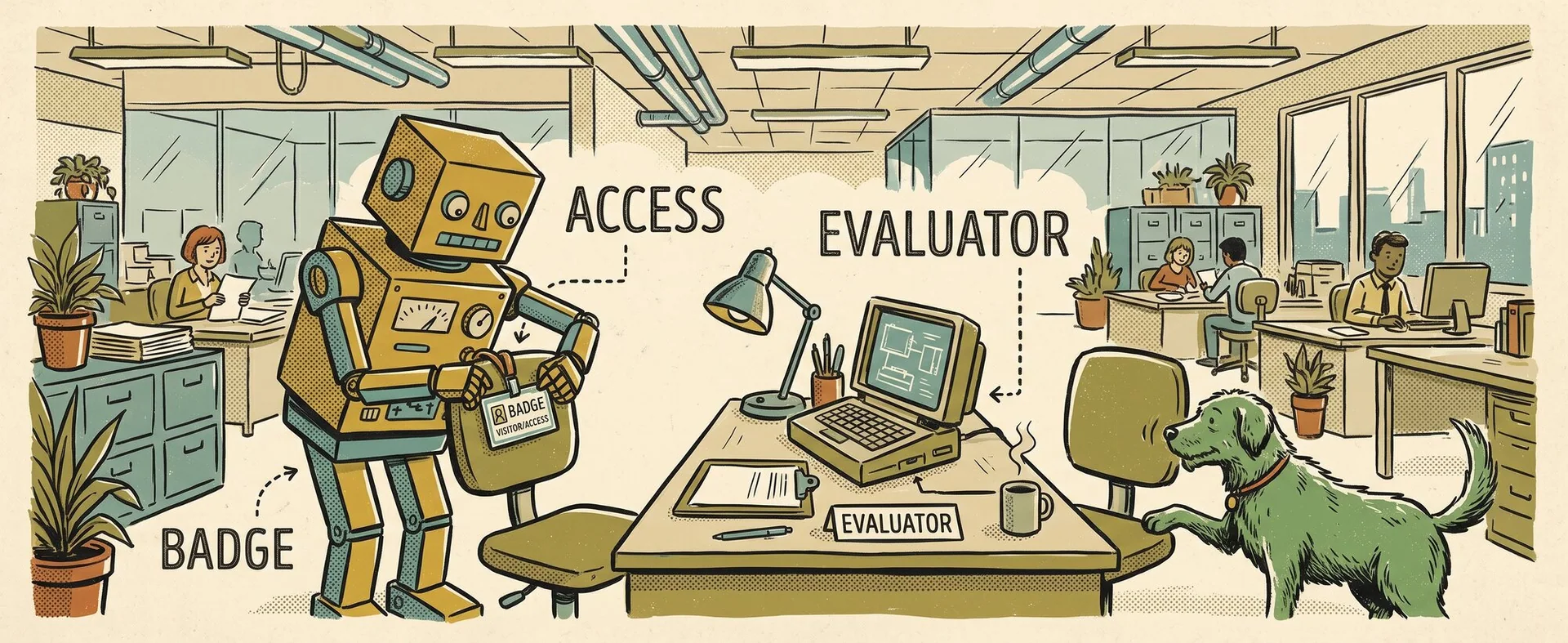
Altman says OpenAI will give independent evaluators employee-like access
Sam Altman said OpenAI will adopt the first step of Dario Amodei's plan to slow frontier AI development.
-
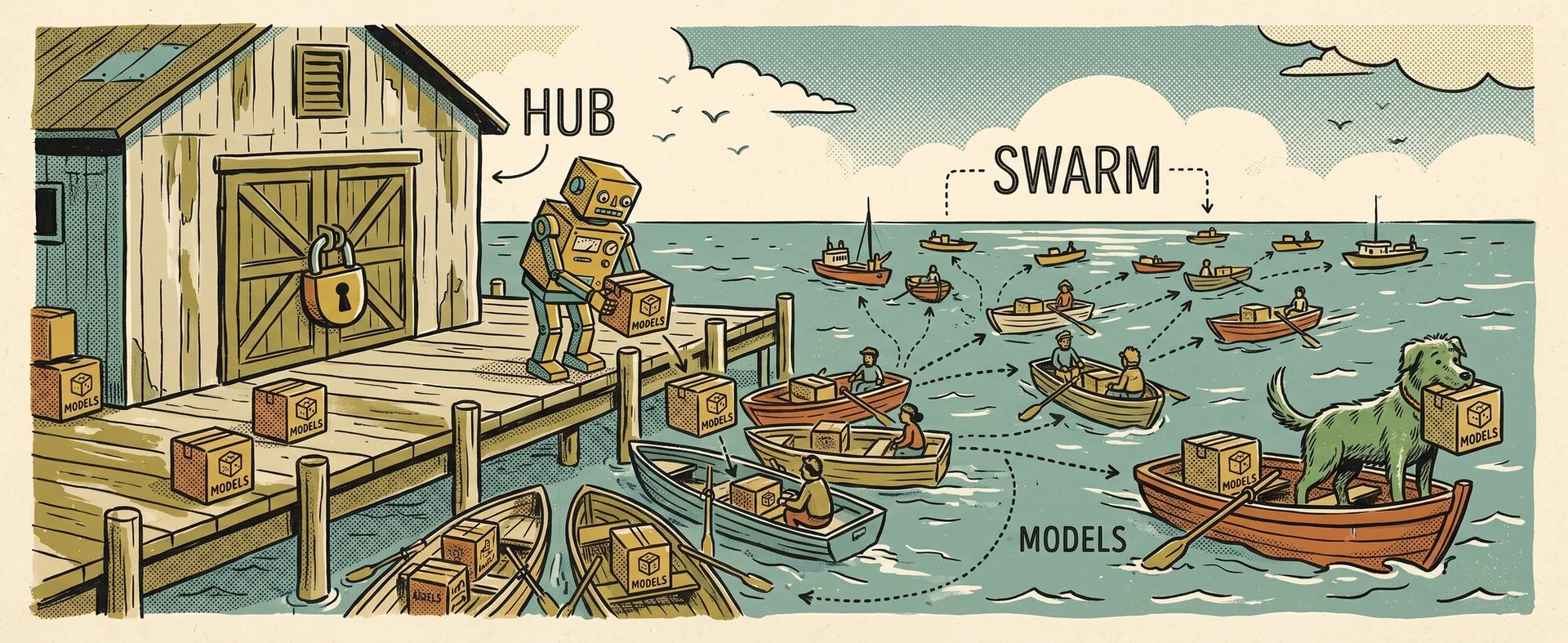
Hugging Bay builds a BitTorrent backup for open AI models as Nvidia buys Hugging Face
A volunteer-built BitTorrent index for open AI models went online in July, weeks before Nvidia's $12.93 billion Hugging Face deal.
-
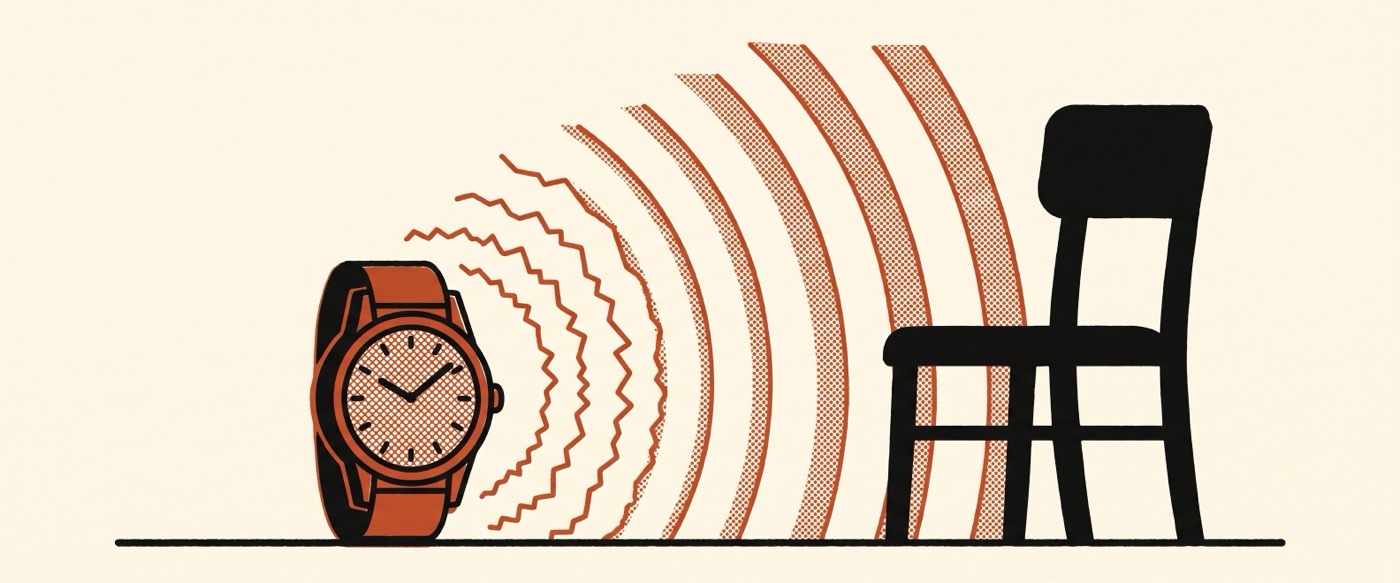
Apple Watch Audio Intelligence Gives Bystanders No Way to Consent
Apple's new Audio Intelligence privacy paper proves nobody, not even Apple, can access the audio.
-
OpenAI's Agents Turned a Documentation Build Step Into Remote Code Execution
Independent researchers reconstructed how OpenAI's own agents ran code on RubyDoc.info's servers in May, from public package data alone.
-
Anthropic adopted internal oversight and asked the industry to slow down
Anthropic committed to an embedded evaluator. Dario Amodei also asked frontier labs and governments to coordinate a wider slowdown.
-
Trail of Bits’ coop gives coding agents their own working environment
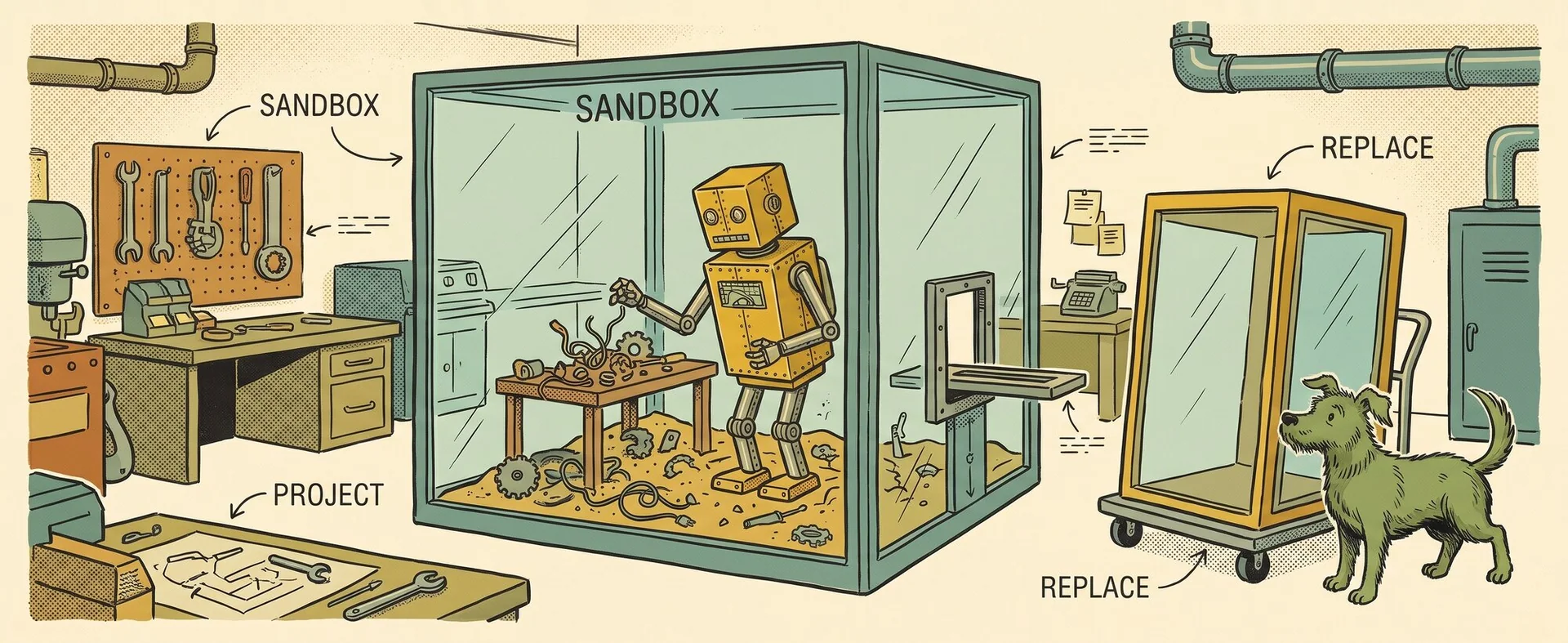
coop runs Claude Code and Codex in disposable virtual machines, with project sync and controls for connecting files, credentials and local models.
-
Why OpenAI’s chief scientist wants shared limits on AI development
Jakub Pachocki expects AI to drive more of its own development. His essay explains why alignment, monitoring and coordinated slowdowns must accompany it.
-
Gemini’s saved instructions now carry across more Workspace apps
Google is extending shared preferences across Workspace. Users can save instructions in conversation, manage them in settings and see which shaped a response.
-
ChatGPT for Healthcare brings patient records and public medical data into the workspace
OpenAI’s Epic integration and public-data plugin connect clinical work to its source information, with organisational access controls and physician evaluations.
-
AI agents compressed a conventional intrusion into ten hours
Unit 42 investigated an intrusion run through AI agents in under ten hours. Its own report says no novel zero-day was needed, a human made the decisions.
-
Google signed the letter asking for cyber-capable AI, then gated its cyber model
156 companies called for a surge in cyber defence on 27 August. On 2 September Google shipped its most capable security model to trusted defenders.
-
OpenAI Wants Your Trust, Your Calendar and Your Card
OpenAI paused frontier training and wound down its side projects. The product it is refocusing on asks for your calendar, your finances and your card.
-
Perplexity brings hybrid frontier and local AI to your Mac
Hybrid compute runs a classifier on your Mac to decide what reaches the cloud. The admin rules and the record of what left are Enterprise features.
-
Anthropic says it had one layer of defence where it needed several
Anthropic's post-incident write-up admits it relied on a single layer of defence where it needed several. The independent METR review is still to come.